
Different Types of Microphones
How to choose the best microphone for
your documentary project
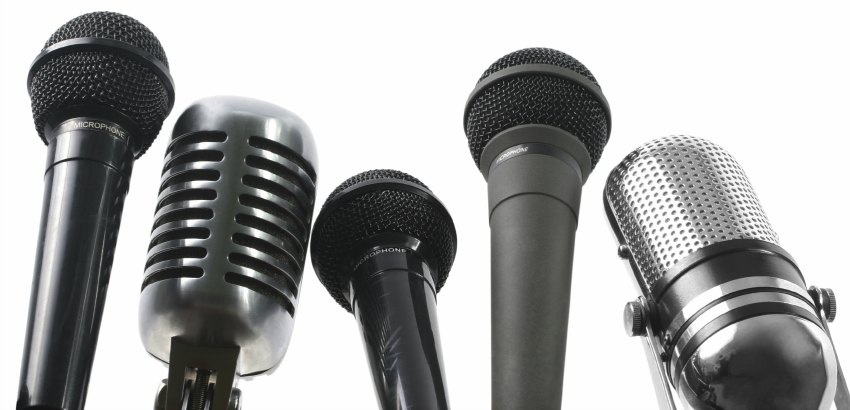
Different types of microphones may be needed for your documentary or video project depending on the various ways you'll be capturing footage and interviews.
The importance of capturing GREAT audio cannot be overstated. It's common knowledge in the film industry that people are more willing to tolerate bad visuals before they will tolerate bad audio.
There are three basic categories of microphones for documentary and video production.
Three Basic Categories of Microphones
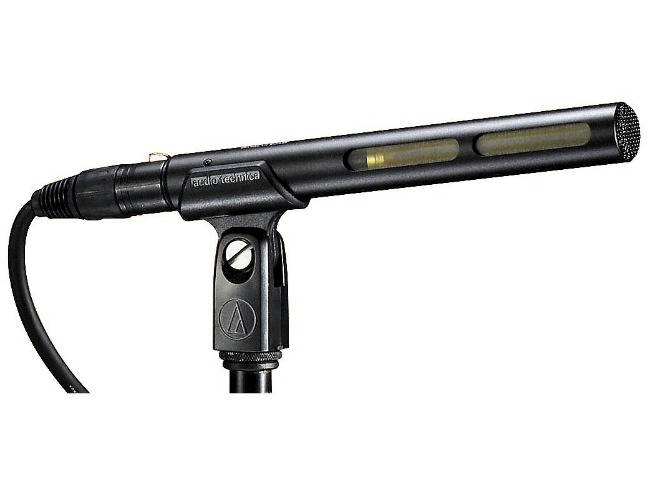 |
Shotgun Microphone These mics are great for pinpointing the exact audio you want without the problem of audio interference from surrounding ambient noise. The mic can be manually held using a boom pole or attached to a boom stand. |
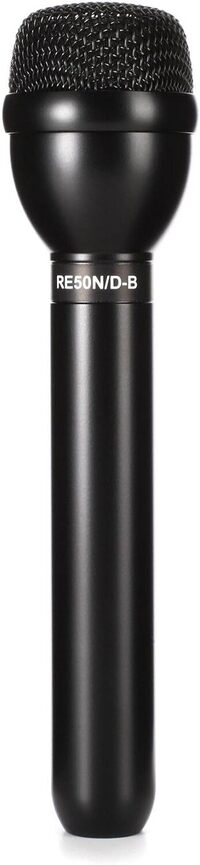 |
Handheld microphones These are typically what you see local TV reporters using. They are useful for “run and gun” type of situations. |
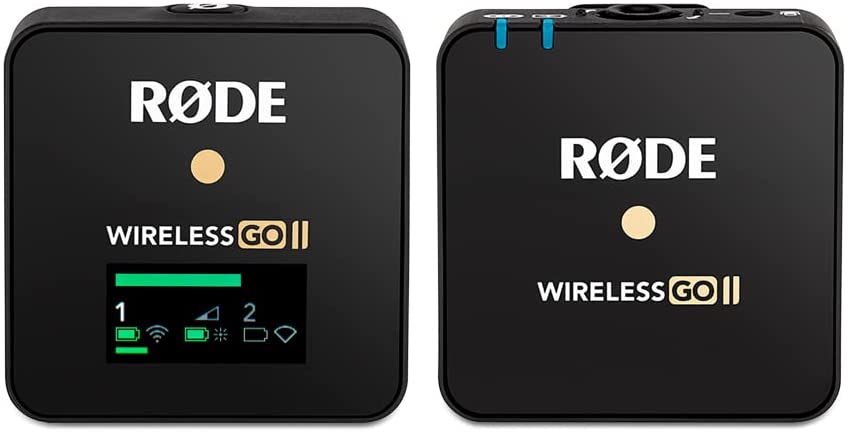 |
Lapel Microphones These are tiny little mics, also referred to as lavalier microphones, that clip to someone’s shirt or tie and are usually used in a sit-down interview situation. These are great for capturing consistent audio levels as the microphone does not move around like a handheld mic. (Helpful Hint: always tuck away wires and cables for a more professional look.) |
Directional Microphones | Audio Pick Up Patterns
Different types of microphones gather sound in varying ways and there are three (3) basic audio patterns. Understanding these patterns will help you choose the right microphone for your project:
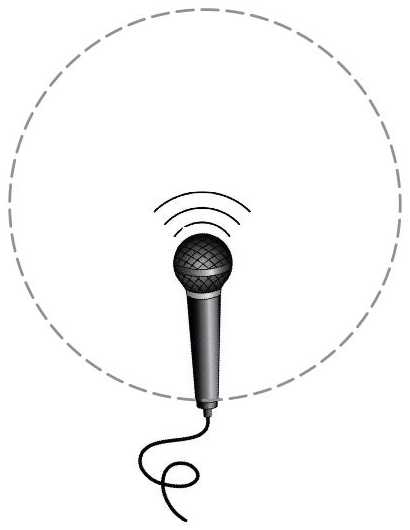
Omni-directional - This is a great all purpose microphone, gathering a wide range of sounds from all directions. For example, this kind of mic is great for picking up all voices in a group discussion. Camcorders typically operate with an internal omnidirectional mic. For good quality sound, the mic must be held close to its subject.
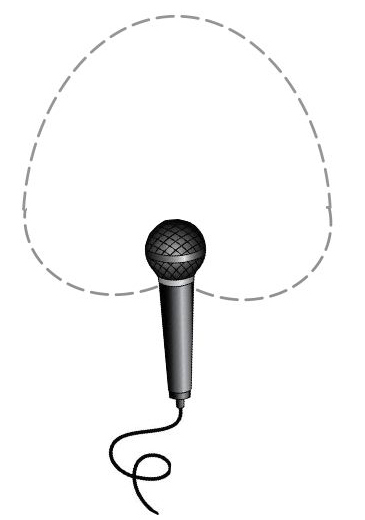
Cardioid – So named because the pick-up pattern of the audio is somewhat heart-shaped. The mic pics up sound mostly from the front and sides of the microphone and also a bit from behind. Handheld microphones used for gathering news usually have this audio pattern for the widest possible usage.
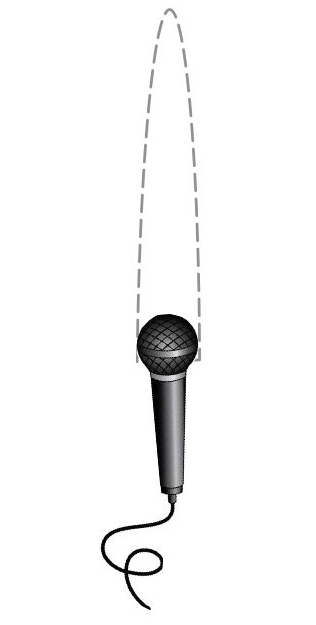
Uni-directional – Used in shotgun mics, this audio pattern is great for focusing in on a specific sound and blocking out ambient noise. For example, this is a great mic if you want to pick up the voice of just one person in a group discussion or one actor in a scene. (This mic is not for long distant sound as some people think) Unidirectional mics are highly directional and must be pointed directly at the subject to capture the best sound quality. No dozing if you’re the boom mic operator!
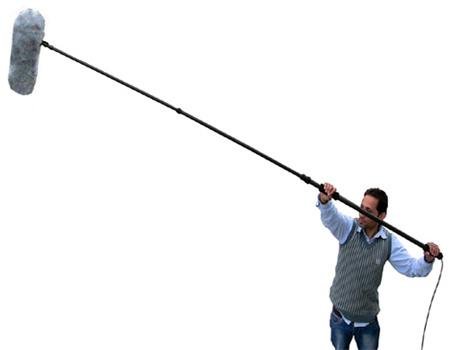
8' Carbon Fiber Boom Pole from Amazon.com
Microphone Windscreens
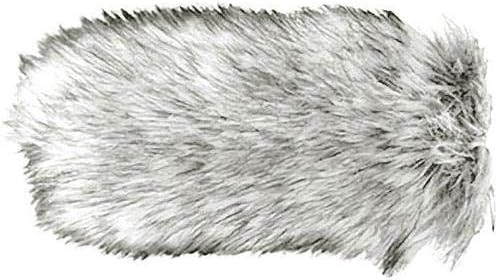
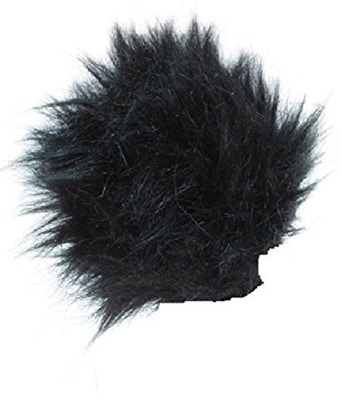
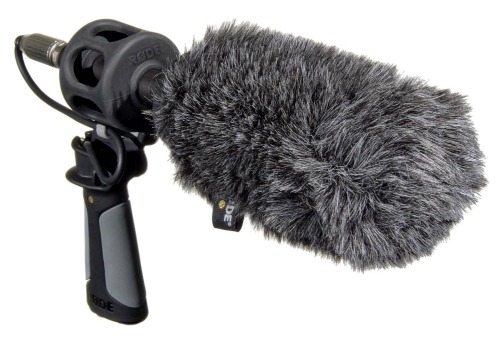
Don't let wind noise ruin your audio! Windscreens are a must-have item for shooting outdoors. Even the slightest breeze can ruin sound coming into an unprotected mic.
Windscreen examples:

Microphones For Smartphones
If you are like a lot of up and coming filmmakers, you are shooting with your smartphone or iPhone. It's easy to use. Always with you and can shoot decent to very good video.
But audio from the in-phone microphone is limited in many ways and won't provide you with broadcast quality audio.
Fear not.
There is an ever-increasing number of microphones that are made to be used specifically with smartphones. These mics are small and easy to use. And more importantly they are not budget busters.
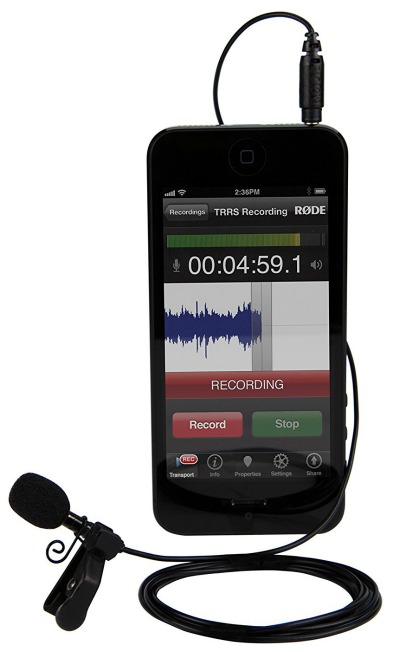
The Rode SmartLav+ is a great mic for interviews. It records with broadcast quality output and is able to plug directly into your smartphone.
The Samson Go Wireless Lavalier Mic does the same thing that the Rode SmartLav+ does. But the Samson does it without wires. The Samson Go Mic provides broadcast quality audio without the hassle and danger of wires.
The Rode VideoMic ME is a directional microphone that cancels out sound coming from behind the mic. This is a great mic for everyday shooting. It is easy to mount to your smartphone and it greatly enhances the audio that is recorded with your video.
The Samson Go Mic Wireless Handheld Microphone offers a variety of advantages over a directional mic attached to your smartphone and over lavalier mics. With a handheld mic (especially a wireless handheld mic) there is a lot more flexibility and mobility. You can interview multiple people at once and you can use it to isolate sounds. It can also be passed around allowing multiple people a chance to be heard.
How To Choose A Microphone
Documentary Filmmaking Gear Check-List
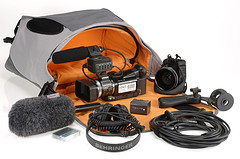
Are you in need of more than just a microphone?
We've put together a great filmmaking starter kit and check-list to help you find the best gear for your project.
Click here to see a list of Documentary Video Production Equipment Gear.
Documentary Resources

Other Articles You Might Enjoy:
12 Tips for a Seamless Documentary Production
If you’re about to start producing a documentary, there are ways you can prepare to make your job easier. Here are 12 tips for a seamless documentary production.
What is a Documentary Impact Campaign? (Examples & Case Studies)
Get a Free Strategic Plan Worksheet. Learn whether a documentary impact campaign could be the right move for your film...
How To Fake A Drone Shot
Want a drone shot and don't have a drone? This video explains how to fake a drone shot.



Ready To Make Your Dream Documentary?
Sign up for our exclusive 7-day crash course and learn step-by-step how to make a documentary from idea to completed movie!







HOT!
Low-Budget
Documentary Gear
What People Are Saying
Desktop Documentaries
Comments

I just wanted to say that I think your website is amazing . I am a beginner with an idea, and the info and articles on your website are easy to understand and answer many questions I have. I can not wait to start filming!

- Sarah (Sydney, Australia)
I am a professional filmmaker, and I applaud this site for detailing the ABC's of documentary filmmaking. It serves as my own checklist as I continue making my own movies ... Thanks!
- Sabrina Aviles - Boston, Mass.