
How to Write a Script
for a Documentary
Tips for creating a dynamic storytelling
experience for your audience

By Faith Fuller
How to write a script?
I seem to ask myself this question every time I begin a new project, my eyes blinking at that daunting white blank page...
Most people think of a script as what’s being “spoken.” However, even a silent movie has a script.
That’s because a script is a written description of what the audience is seeing AND hearing.
A well-written script should be able to “capture your imagination” and help you visualize what the audience will experience on the screen.
How to Write a Script for a Documentary:
Before You Begin Shooting
- RESEARCH! Once you’ve settled on your documentary idea, time to start digging. Leave no rock left unturned.
- Create a List. Based on your research, start creating a list of potential characters/interviews, basic storylines, areas of potential conflict and emotion. Ask yourself, “what’s at the heart of this story and how do I “show” that visually?”
- Get Style. Decide the look, feel and style of your documentary. Search web videos or watch TV for ideas. Netflix is a great resource for documentaries.
- Write a “shooting script” (pre-script/outline) – Often with documentaries, the script can’t really be written until after the footage has been shot and you start piecing the story together based on what you “discovered” with your camera. However, writing an outline at the beginning can be an invaluable guide to point you in the right direction, especially to be able to look back as a reference when the chaos of shooting can get you off track. There WILL come that moment in the process when you say, “What was I thinking!?”
- Get Creative. Think about some unique and creative ways you can spice up your movie and give it that "Wow" factor. “How to write a script” creatively involves adding special elements such as stop motion, time-lapse, animation/cartoons, recreations, etc. For example, in the 2008 documentary Young At Heart, the filmmakers used MTV style music videos to segue between scenes of their elderly singers. Perfect!

How To Write a Script for a Documentary:
After Shooting is Complete
The very nature of the documentary is that it is “unscripted”. It is meant to capture some aspect of “real life”. Then it is up to the you (the writer) to take the messiness of real life and create some kind of story.
As the scriptwriter, you will need to examine all the “unscripted” & “raw” footage and create some sort of structure out of it.
It will seem daunting at first (you WILL feel overwhelmed at some point), but think of it as putting together a great big puzzle. It will look like a jumbled mess at first, but bit by bit, the big picture will begin to reveal itself as you mix and match the various pieces. How to write a script:
- Transcribe your footage – This may seem like a tedious and boring task at first, but TRUST ME, you will thank yourself in the end. This is where you begin to "log" and categorize the various "pieces" of your puzzle.
- Review the BIG picture. What are the main elements (characters and plots) that have surfaced through shooting process that create the tapestry of your overall story. What are the key “moments”?
- Create Scenes. Take these “moments” and divide your documentary into mini-stories (scenes) that, together, create the documentary.
- Build a Roller Coaster. Take these scenes and begin creating a “Roller Coaster” ride for your audience. What kind of “ride” are you taking them on? Think about the powerful moments in your story and how to write a script to build up those moments. A fantastic book that describes this process is Writing Great Screenplays for Film and TV by Dona Cooper.
- Villain and Hero. Another important part of scriptwriting is determining the villain(s) and hero(s) in your story. A hero/villain can be a person, thing or event. (A tornado can be the villain).
- BEGINNING, MIDDLE and an END. Of course, every story has a beginning, middle and end. If you can outline your story in these three general categories, then you can begin to fill in the details.
- The Ending. If you have a lot of footage and information to work with, a simple way to clarify how to start building your script is to think about how you’re going to END your documentary. Everything else leads up to that.
- Start Strong. I cannot express enough the importance of how you START your documentary. This is when you “hook” the audience and set the tone for the entire program. The beginning of your film should:
- Establish the “core message” of the documentary (this often includes a specific “incident” that is controversial or offsets the balance of forces in some way).
- Create curiosity -- set up the “problem” or “issue” in the most compelling way possible to tantalize or grab your audience’s interest. Create a situation that makes the audience ask, “Why is this happening?”
- What's in the Middle? It’s easy for scriptwriters to get “lost” in the middle (body) section of the script. Just keep asking yourself, “does this scene/story or information move the story forward and lead to the ending conclusion?” Don’t get attached to any particular footage or information. If it doesn’t fit, leave it OUT. You can always put it in the “Bonus” or “Deleted Scenes” section of your DVD or extras on your social media. :-)
- Script Template. Finally, once you have a general outline of your story, begin building your script using a 2-column script template: one column for audio, one column for video.
 |
**One of many free bonuses included as part of my popular 7-Day Documentary Crash Course.** |
How To Write a Script for a Documentary:
Scriptwriting Software
You may or may not need scriptwriting software to help you write your documentary script. A basic 2-column Audio/Video script template is often plenty for the average script. A 2-column template can be created for free from your word processor (Open Office, Word, etc).
However, if you are shooting a lot of reenactments for your documentary (half movie, half documentary kind of thing), some scriptwriting software could come in handy to help you block out the scenes. Celtx or Final Draft are good choices for this.
Storyboarding software can also be fun to use. Check-out some of the awesome new AI tools including MidJourney and Krock.io.
Another area where software can be helpful is if you have tons of scattered information and/or you have no idea how to structure the information into an interesting storyline. Software such as Scrivener or Storyist are super helpful for this. A producer for PBS's Frontline told me he has used both Scrivener and Storyist and likes them both. However, if pushed to choose one, he says Scrivener is a better all-in-one solution for documentaries.
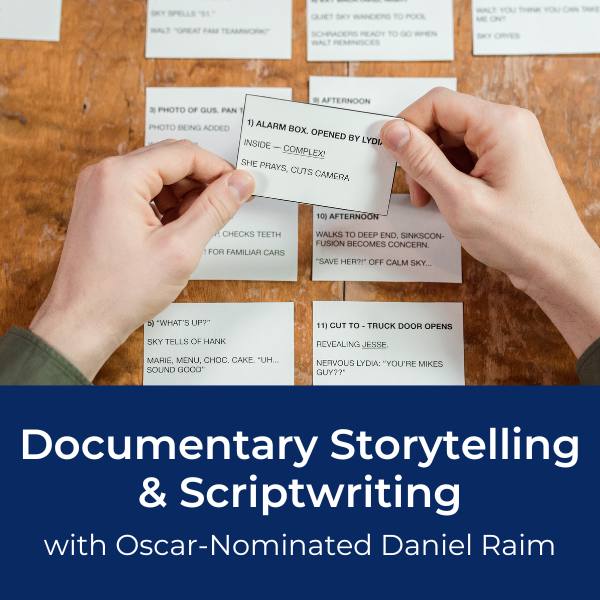
Oscar-Nominated Documentary writer-director Daniel Raim chooses Final Draft scriptwriting software and offers a Documentary Storytelling and Scriptwriting Masterclass here on Desktop Documentaries outlining his entire scriptwriting process.
How To Write A Script for a Documentary:
Final Thoughts
How to write a script? Of course, what looks great on paper does not always work great on the screen. Think of your script as a guide and be prepared to modify, slice and dice once the video editing process begins.
This is where those tape logs come in VERY HANDY. A quote or scene that you didn’t think was very important in the scriptwriting stage, will suddenly take on new importance once the editing begins.
So those are a few key points on how to write a script for documentary. Remember, with documentaries, there is no perfect formula. Just start writing and do what works for YOUR story.
Ready to dive deeper into documentary storytelling and learn how to make a documentary from A-Z? Click below to learn about the documentary 7-Day Crash Course.
Recommended For You
Creating A Captivating Documentary: Your 7-Step Guide
Oscar-nominated Daniel Raim shares 7-steps to creating a captivating documentary. 1. Begin with a hook 2. Develop Your Characters 3. Identify The Conflict...
Filming Crowds: Do I Need Legal Permission For People In Background?
I am a little nervous about some of the background shots where there are people at certain events we filmed at...
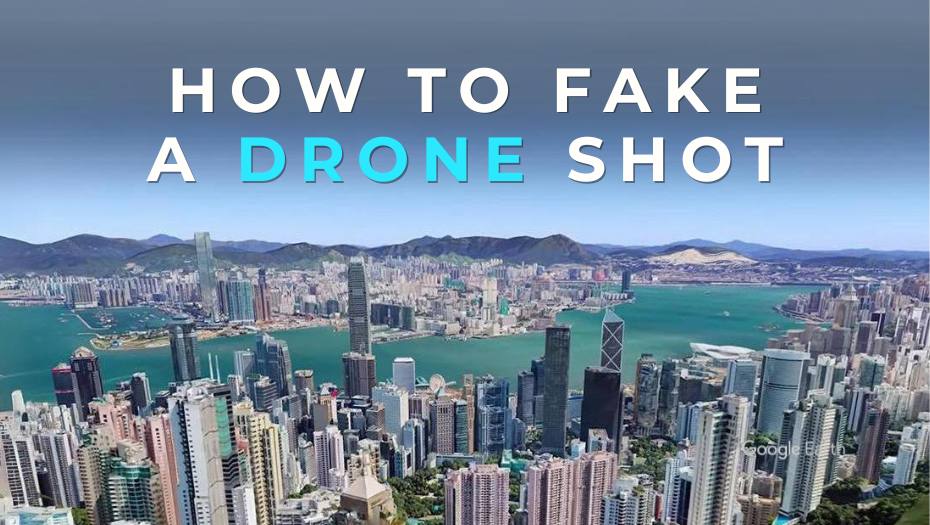
How To Fake A Drone Shot
Want a drone shot and don't have a drone? This video explains how to fake a drone shot.



Other Articles You May Enjoy
- How To Organize 60 Years Of History Into A 94-Minute Documentary
- How To Survive The Making Of A Documentary
- 5 Helpful Tips To Create A Money-Winning Proposal
Ready To Make Your Dream Documentary?
Sign up for our exclusive 7-day crash course and learn step-by-step how to make a documentary from idea to completed movie!





HOT!
Low-Budget
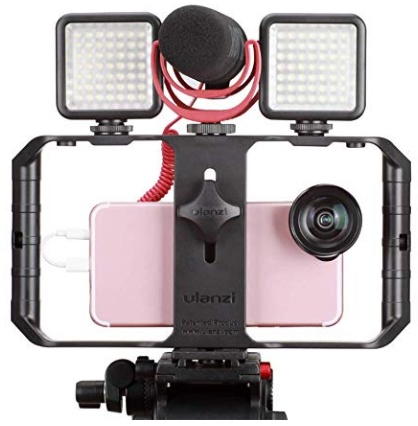
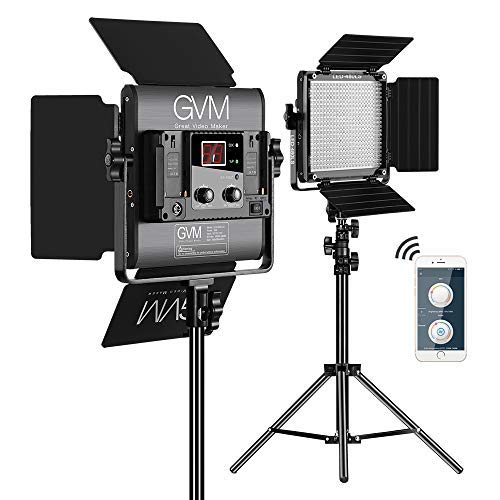
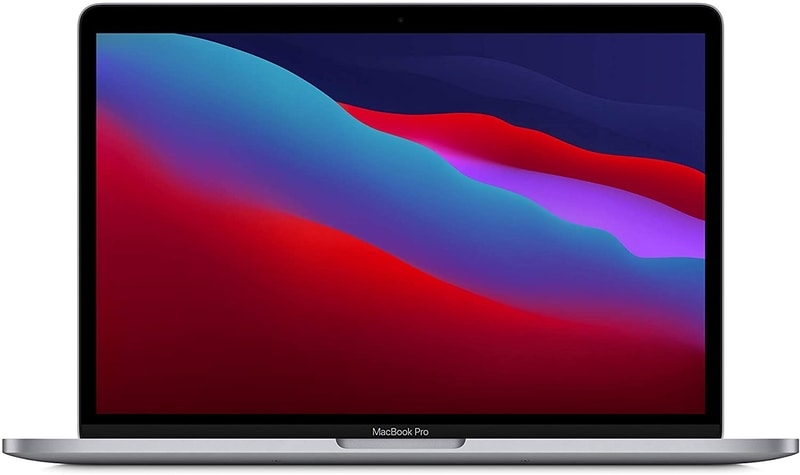
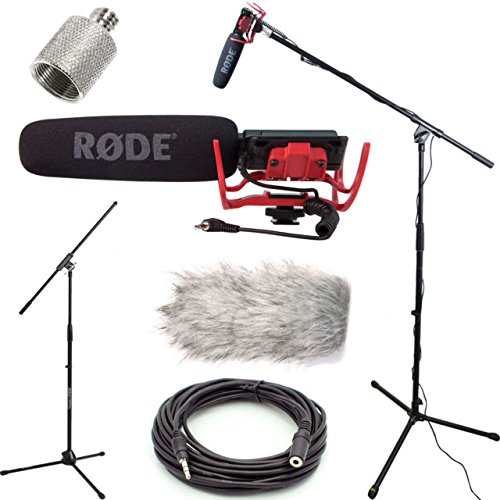
Documentary Gear
What People Are Saying
Desktop Documentaries
Comments

I just wanted to say that I think your website is amazing . I am a beginner with an idea, and the info and articles on your website are easy to understand and answer many questions I have. I can not wait to start filming!

- Sarah (Sydney, Australia)
I am a professional filmmaker, and I applaud this site for detailing the ABC's of documentary filmmaking. It serves as my own checklist as I continue making my own movies ... Thanks!
- Sabrina Aviles - Boston, Mass.