
If I show a product like a car or can of pop is it trademark or copyright infringement?
by Daren Wait
(BC Canada)
Question: Do product labels have to be contacted or is blurred the easiest option? Thank you!
Desktop Documentaries: I am filmmaker not a lawyer.. so please double check other sources (see response from an attorney below). The way I understand it, with products, it is more in the company's benefit if you show their product. It's free advertising for them! So the only reason to blur out the product is if it's shown in a negative light and you're concerned about getting sued, or perhaps you are showing a painting and don't have permission from the artist. You could even potentially use product placement as an opportunity to get some cash for your movie, although I would say that's fairly rare in a traditional documentary.
Check out Morgan Spurlock's documentary about product placement in documentaries. He takes the issue of product placement to the extreme.
The Greatest Movie Ever Sold (Documentary Trailer)
I would be interested to know if anyone else has experience or opinions about this.
Comments for If I show a product like a car or can of pop is it trademark or copyright infringement?
|
||
|
||
Ready To Make Your Dream Documentary?
Sign up for our exclusive 7-day crash course and learn step-by-step how to make a documentary from idea to completed movie!




HOT!
Low-Budget
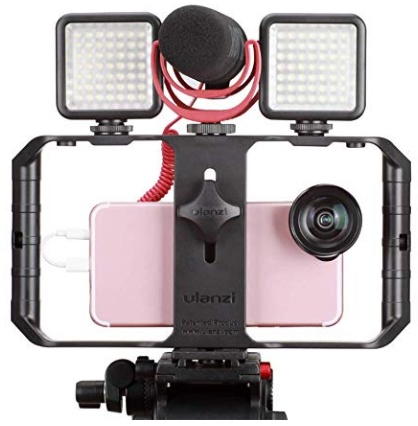
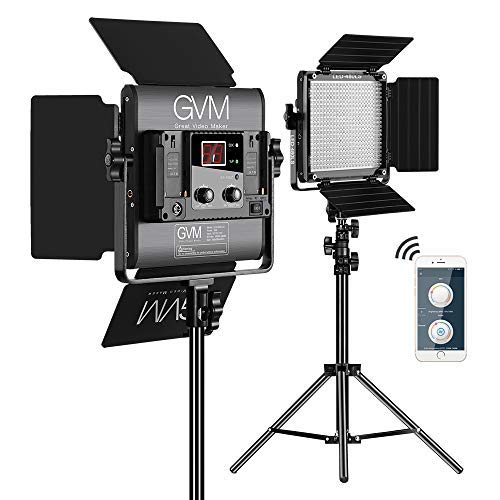
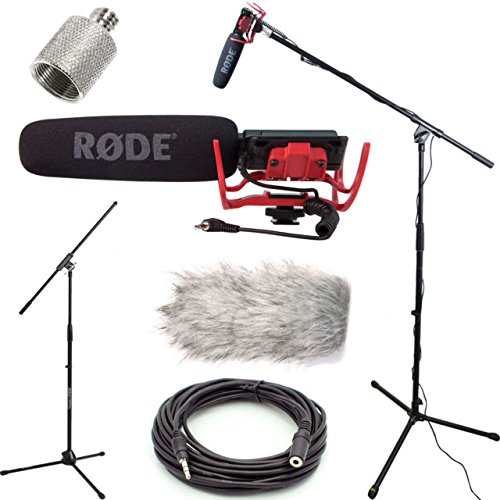
Documentary Gear

What People Are Saying
Desktop Documentaries
Comments

I just wanted to say that I think your website is amazing . I am a beginner with an idea, and the info and articles on your website are easy to understand and answer many questions I have. I can not wait to start filming!

- Sarah (Sydney, Australia)
I am a professional filmmaker, and I applaud this site for detailing the ABC's of documentary filmmaking. It serves as my own checklist as I continue making my own movies ... Thanks!
- Sabrina Aviles - Boston, Mass.