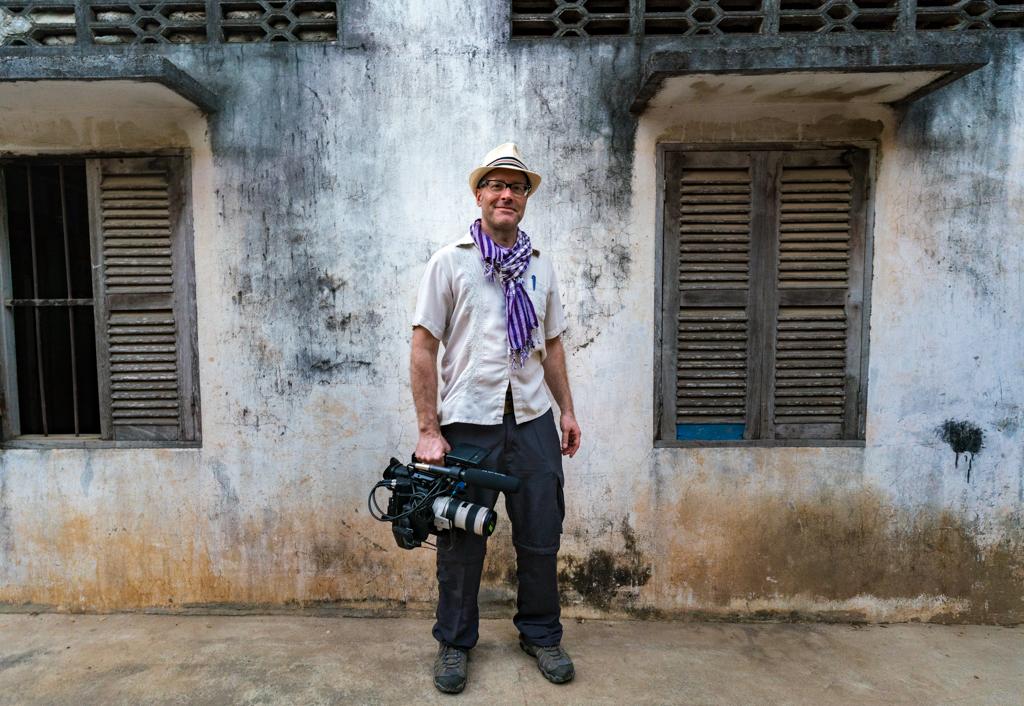
Documentary filmmaker Chris G. Parkhurst has spent more than twenty-five years working in nonfiction film, much of it internationally. He is also the creator and host of The Documentary Life, a podcast devoted not simply to the craft of documentary filmmaking, but to the realities of building a meaningful and sustainable life around it.
With the podcast now approaching 150 episodes, we asked Chris about where it came from, what he has learned from his guests, and what it means to live a “documentary life.”
1. You’ve been making documentaries for more than two decades. Why did you start The Documentary Life?
I started The Documentary Life in 2016, but the idea really grew out of years of making documentaries and realizing how much of the experience we simply didn’t talk about.
We talked about cameras. We talked about editing and funding and festivals. But we didn’t talk nearly enough about what it actually felt like to do this work: the uncertainty, the financial pressures, the relationships we form with the people we film, the projects that take years longer than expected, or how you build a life that allows you to keep doing it.
I wanted to have those conversations with other documentary filmmakers, not from the perspective of someone standing outside the profession interviewing them, but as someone who had experienced many of the same things.
That remains one of the things I value most about the podcast. I’m not interviewing documentary filmmakers so much as talking with them as another documentary filmmaker.
2. You called it The Documentary Life, rather than a documentary filmmaking podcast. What does “living a documentary life” mean to you?
Over the years, that phrase has come to mean much more to me than I originally anticipated.
A documentary life certainly involves learning the craft: how to interview someone, structure a story, record good sound, edit, fund your work and get it into the world. But making documentaries also asks something of us as human beings.
It requires curiosity, patience and the ability to listen, as well as a willingness to enter someone else’s world without assuming we already understand it.
And then there are the practical realities. How do you make a living while pursuing projects that may take years? How do you deal with doubt? What do you owe the people who trust you with their stories? How do you keep going?
Those questions interest me just as much as which camera we should use.
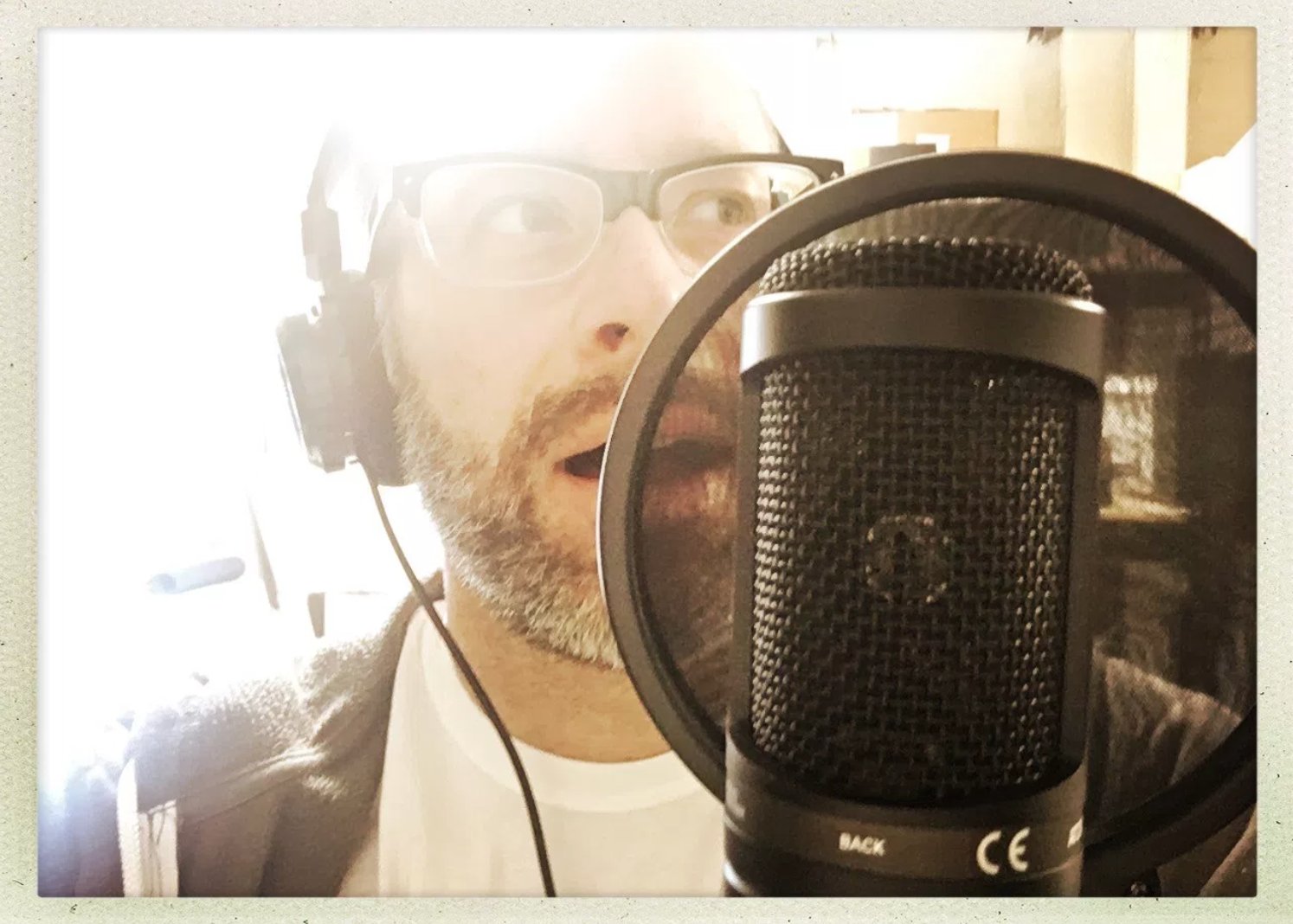
3. After nearly 150 episodes, which conversations or moments with guests have stayed with you?
One of my favorite episodes early on (I think it was Season Two) was with Steve James. I was so excited when he agreed to come on the programme. I mean, this guy was a documentary filmmaking hero of mine. He’s everybody’s documentary filmmaking hero! His work inspired so many of us to want to make documentary films in the first place.
Steve has actually been on the show a couple of times now, and he’s always been incredibly down-to-earth and unassuming. But something from that first conversation has always stayed with me. I was amazed to learn that, like me, he had started out in the industry in his early 30s, working as a production assistant on television and film sets. There was something wonderfully reassuring about discovering that someone whose career I admired so much had started out carrying equipment, doing coffee runs, and doing the same kinds of jobs I had.
More recently, I was really moved to have Ondi Timoner join me for the very first episode of our new season. Ondi is an absolute powerhouse in the documentary community, but what struck me most was how willing she was to share what she’s learned over the years: the craft, certainly, but also the realities of trying to sustain a life making documentaries.
And she just gets so much of what we’re trying to explore with The Documentary Life: that a documentary life is about so much more than simply making films.
That’s probably what I’ve come to treasure most about these conversations. You can admire someone’s films for years, but then you sit down together as documentary filmmakers and discover the human being (and the documentary life) behind the work.
4. You’re still actively making films yourself. How does that shape your conversations with guests?
I think it changes everything.
I’ve spent more than twenty-five years filming people, directing, editing, traveling for projects and trying to figure out how to finance the next thing. I’ve filmed in places where plans disappeared almost immediately. I’ve had projects stall, worried about money and made mistakes. And I’ve had people trust me with parts of their lives that I felt an enormous responsibility to represent well.
So when a guest talks about those things, I understand the territory.
It also means I’m genuinely curious. I’m often asking guests questions because I want to know the answer myself. One of the great privileges of doing the podcast is having access to filmmakers whose experiences can challenge the way I think about my own work.
I hope listeners feel as though they’re sitting in on a conversation between filmmakers rather than listening to a formal interview.
5. What excites you about the podcast’s future, and who would you still love to interview?
What excites me most right now is that the podcast increasingly feels like part of something larger.
We’re still having conversations about craft, but we’re also exploring ethics, artificial intelligence, sustainability, sound, working as a one-person crew, the legal responsibilities filmmakers carry, and all the other things that constitute a documentary life.
And there are still so many filmmakers I’d love to talk with. Some are celebrated directors whose work I’ve admired for years. Others are people most listeners may never have heard of but who have spent decades quietly doing extraordinary work.
That mix is important to me.
Because after nearly 150 episodes, I’ve become convinced that documentary filmmakers have an enormous amount to teach one another.
If you’re making documentaries (or trying to figure out how to build a life that allows you to keep making them), I hope you’ll join us.