
Audio Basics for
Documentary Filmmaking
Learn simple techniques that can
separate you from the amateurs

Audio basics: Sound is often the most overlooked part of documentary filmmaking, especially for beginners, and knowing some audio basics will take you a long way.
If you can get an experienced sound person on your project, this is ideal.
But if you’re like a lot of documentary filmmakers, budget is KING and you are probably a one-man-band.. or will be at some point in the project.
Click here to learn about the different types of microphones
Audio Basics: Pre-Shoot
Before you head off to your shoot, CHECK your audio equipment to make sure mics are working, batteries fully charged, no bad cables.
Audio Basics: During The Shoot
Constantly check your audio levels to make sure the sound coming in is not too high or too low.
Depending on the complexity of your video camera, you may or may not have control over audio levels. For the simplest cameras (a hand-held handycam) with just a built in mic, you will need to have your camera close to the subject to pick up sound.
Put on your headphones and have your subject do a “testing 1,2,3” to make sure your camera’s microphone is picking up the sound.
Always wear headphones, if possible. (Some cameras, such as the DSLR's, don't have headphone jacks. Of course you can fix that by adding on a preamp audio box.)
If someone is speaking, make sure there is not a lot of background noise (traffic, wind, construction, etc). It can be distracting and make the interview unusable.
Recording Sound for DSLR Cameras
Audio Basics: Tips and Tricks!
- If you are on location doing an interview and a big truck drives by right in the middle of a person’s quote: A) Have the person repeat their answer or B) Get a video shot of the truck going by so that you can edit in the shot later to visually show the viewer why there’s so much noise. Or if the wind is blowing hard, get a shot of swaying trees.
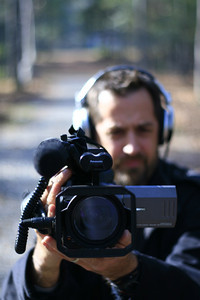
- Record atmosphere/background noise at each location. This may come in handy during the edit when blending the sound-mix or cutting together an interview. Basically, this just means rolling tape for a few minutes to capture some natural sounds from the area... this could be "quiet" sounds out in nature or the "chaos" of an event.
- Make sure to get good close-up sounds of your subject. For example, if you're interviewing an author, get some shots and sounds of her "tap, tap, tapping" on her computer. Or if you're on a pig farm, make sure to get in close to the pigs with your microphone and capture some snorting sounds. Truly, the fun never ends in this business!
Best Microphones for Documentary Filmmaking
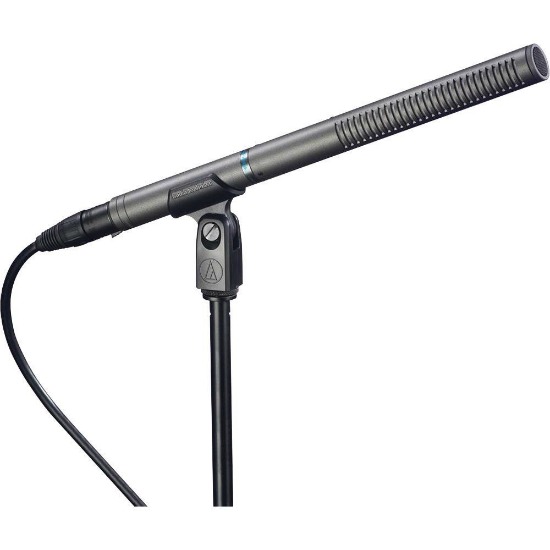
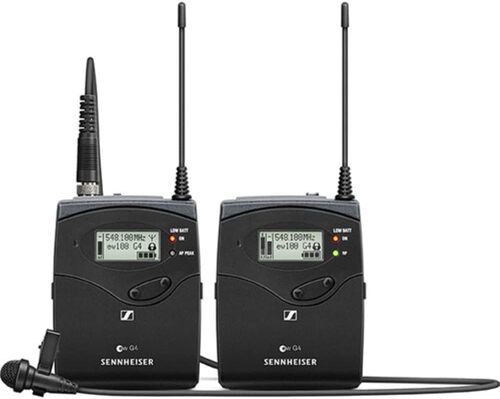
Is there really such a thing as the "best microphone for documentary filmmaking"? Probably not. The best microphone totally depends on any number of factors including your budget, type of shooting (interviews, news gathering, etc) and other equipment you're already using. Are you a one-man filmmaking crew or are you making a high-end documentary for the BBC or Discovery Channel?
Because you are on this page learning about the basics of audio, let's assume you're on a budget and looking for the best audio for the best price. The choices below aren't the cheapest, but they are solid microphones that can be used in multiple situations.
What We Use:

Documentary Filmmaking Gear Check-List
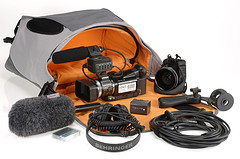
Are you in need of more than just a microphone?
We've put together a great "filmmaking starter kit" check list to help you find the best gear for your project.
Click here to see a list of Documentary Video Production Equipment Gear.
Recommended For You
Documentary Ideas: Create, Pitch and Explore Dozens of Ideas
Ready to start filming and in need of documentary ideas for inspiration? Or maybe you have a great idea you'd like to share? Browse dozens of ideas and learn how to generate your own.
What is a Character Driven Story? How To Find Bold & Unique Characters
“Character driven” is more than just a catchword. Learn how to find bold, captivating and unique characters for your documentary.
12 Tips for a Seamless Documentary Production
If you’re about to start producing a documentary, there are ways you can prepare to make your job easier. Here are 12 tips for a seamless documentary production.


Other Articles You May Enjoy:
- The Basics Of Making A Documentary
- Making Documentaries: What Camera Should I Buy?
- How To Survive The Making Of A Documentary
Documentary Courses & Templates

Ready To Make Your Dream Documentary?
Sign up for our exclusive 7-day crash course and learn step-by-step how to make a documentary from idea to completed movie!



HOT!
Low-Budget
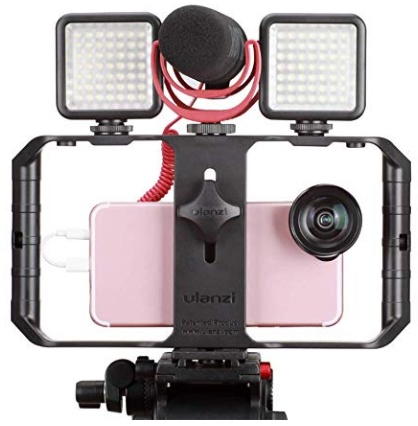
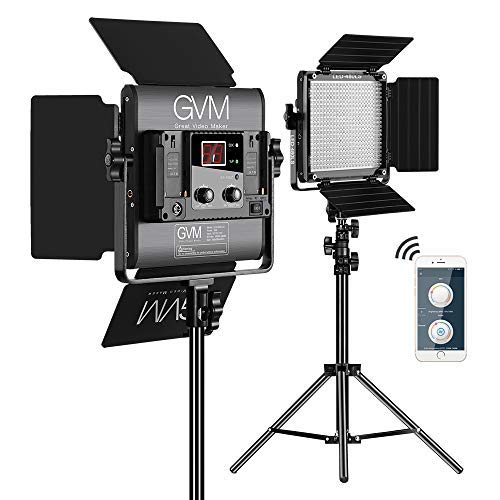
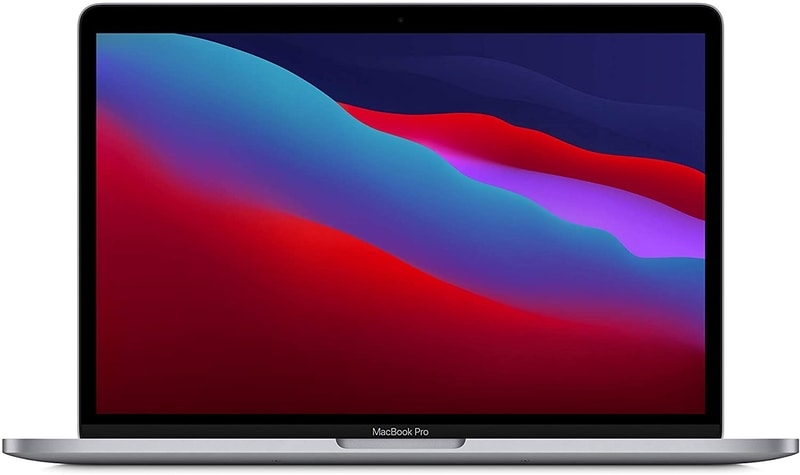
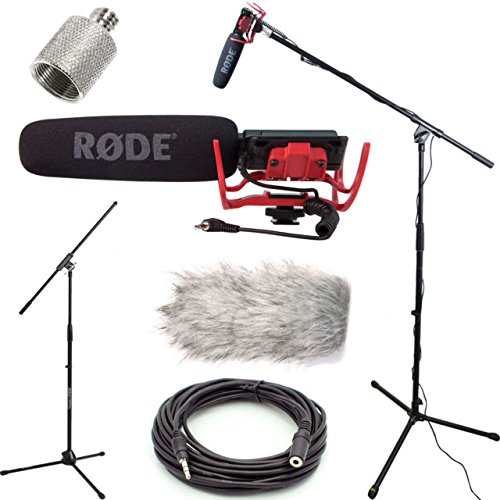
Documentary Gear
What People Are Saying
Desktop Documentaries
Comments

I just wanted to say that I think your website is amazing . I am a beginner with an idea, and the info and articles on your website are easy to understand and answer many questions I have. I can not wait to start filming!

- Sarah (Sydney, Australia)
I am a professional filmmaker, and I applaud this site for detailing the ABC's of documentary filmmaking. It serves as my own checklist as I continue making my own movies ... Thanks!
- Sabrina Aviles - Boston, Mass.