
Quick Facts:
A History of Documentaries
There are many books that go into depth on the history of documentaries, so to keep it short and web friendly, here are a few key highlights.
Documentary History Highlights
- The very first films (pre-1900’s) were called "actuality films" because they captured short snippets of real "actual" events, such as a boat pulling up to the dock or workers leaving a factory. So in essence, the first movies ever made were documentaries, also called newsreels.
- 1920’s Russia - Perhaps the true spirit of the documentary starts with a young poet and film editor named Dziga Vertov. He and his group created a series of educational newsreels called the Kino-Eye (literally, "cinema truth") during the Russian Revolution.
- Nanook of the North - by American filmmaker, Robert Flaherty (1922) - Considered the first "original" documentary, this film profiles the lives of a real Eskimo family.
- 1926 - the first recorded mention of the term "documentary" (by Scottish-born filmmaker John Grierson) to describe a non-fiction film.
- 1930’s & 1940’s – the documentary becomes a valuable propaganda tool for governments such as Nazi Germany, America and Britain, especially during WWII.
- Cinéma Vérité and Direct Cinema (1950’s – 1970’s) - with the advent of new technology and lighter camera equipment, new filmmaking styles emerged to capture more "spontaneous" events.
- 1960’s – 1990’s - Television becomes an important outlet for documentary filmmaking, putting more of an emphasis on journalistic and educational programs (i.e. Ken Burns’s Civil Warseries, 1990).
Documentaries today are experiencing a boost in popularity with the help of blockbusters such as Fahrenheit 911, SuperSize Me and An Inconvenient Truth.
It is truly an exciting time to be a documentary filmmaker. Never before have there been so many opportunities to get your story told and seen.
Literally, all you need is a camcorder & a computer and you can be in the movie-making business!
Recommended For You
3 Key Features of a Documentary
Award-winning documentary filmmaker Peter Nicks discusses the key features of a documentary.
Top 10 Tips For Distributing Your Documentary
Don't make the mistake of waiting until your film is complete to think about distribution! Here are 10 things you should know to set yourself up for success...
How To Write A Script For A Documentary
Staring at a blank page? Here are some great starter tips on how to write a script for your documentary.


Related Articles:
- What Is A Producer?
- Filmmaking 101: What Is Video Production
- Analyzing Award-Winning Documentaries. What Makes Them Great?
- Coming Up With A Great Documentary Idea
Ready To Make Your Dream Documentary?
Sign up for our exclusive 7-day crash course and learn step-by-step how to make a documentary from idea to completed movie!


HOT!
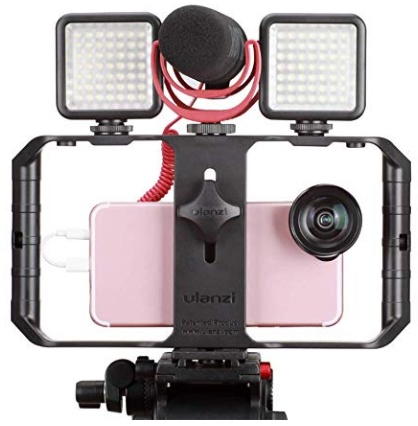
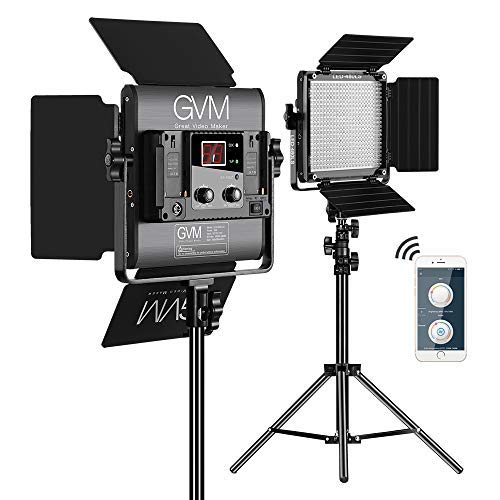
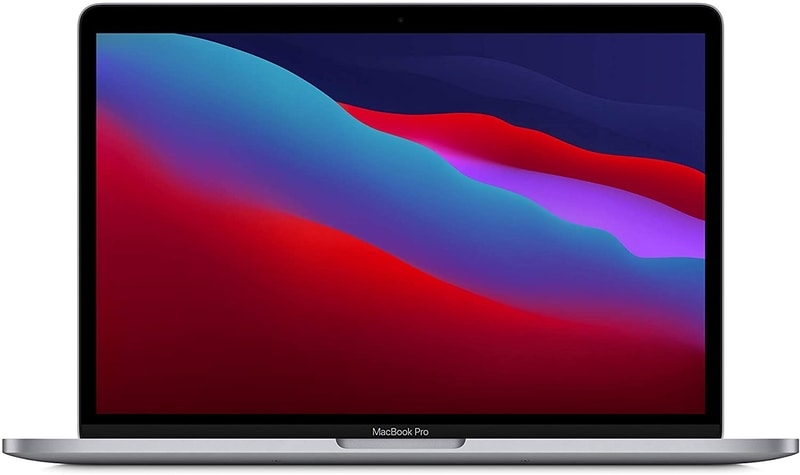
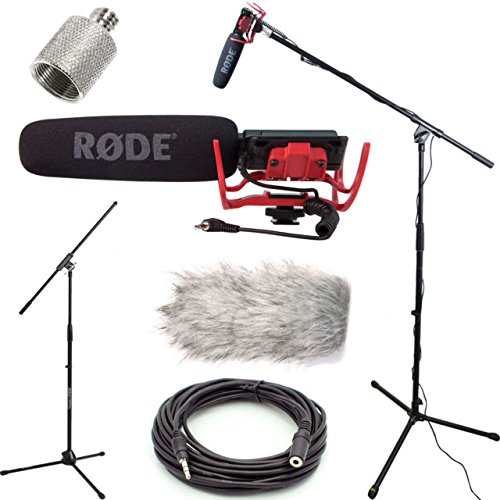
Low-Budget
Documentary Gear
What People Are Saying
Desktop Documentaries
Comments

I just wanted to say that I think your website is amazing . I am a beginner with an idea, and the info and articles on your website are easy to understand and answer many questions I have. I can not wait to start filming!

- Sarah (Sydney, Australia)
I am a professional filmmaker, and I applaud this site for detailing the ABC's of documentary filmmaking. It serves as my own checklist as I continue making my own movies ... Thanks!
- Sabrina Aviles - Boston, Mass.