
Top 10 Videography Tips
Simple tips for shooting documentaries, news, reality television and web video
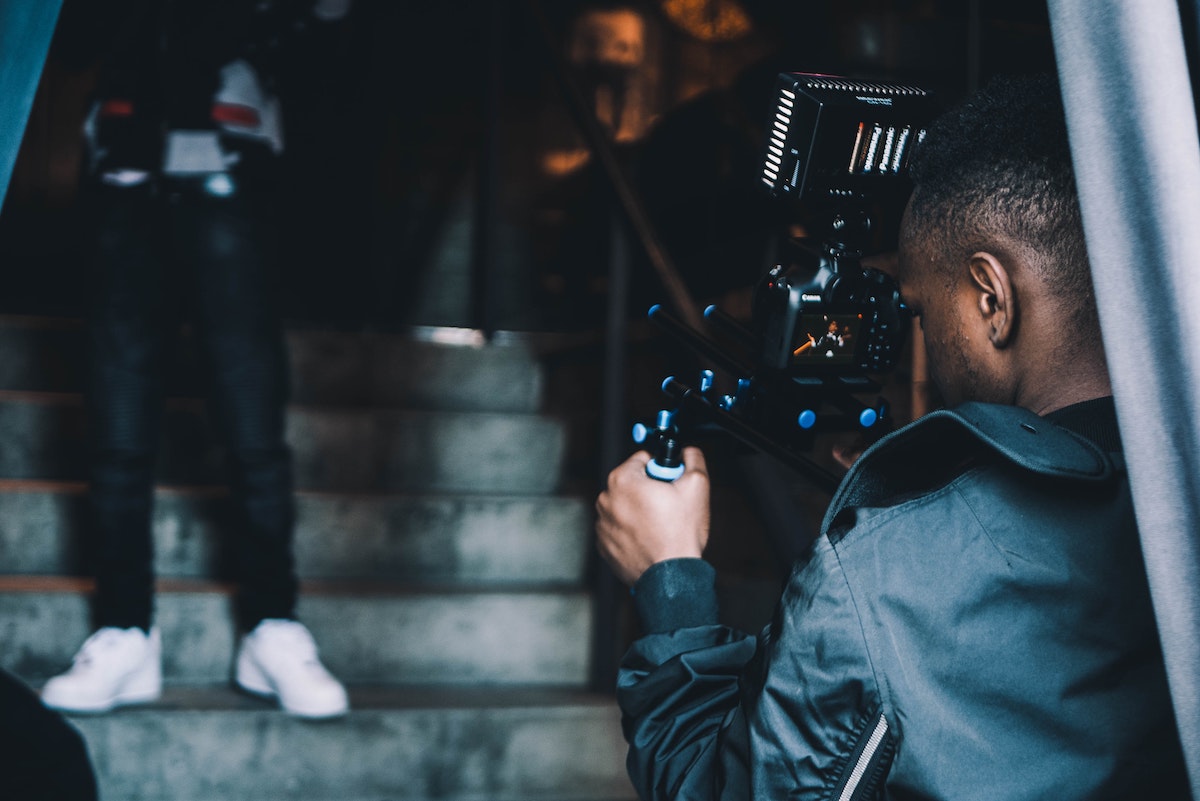
Videography Tips:
Shooting documentaries is part technique and part instinct. Depending on the type of documentary you're shooting, you may have to shoot on the fly "following the action" or everything may already be planned out in advance -- for example a historical documentary where you're shooting a lot of "talking head" interviews.
No matter what type of documentary or video you're shooting, here are some basic tips to follow.
Top 10 Videography Tips
1. Steady eddie
Keep the camera steady. If possible, use a tripod. Don’t constantly zoom in & out or pan right to left. In general, you want to record at least :10 of each shot. Let the action in the frame speak for itself. You will thank yourself once you’re back in the editing room.
2. Wide, medium, close-up
For every scene or event you’re shooting, make sure to get different angles so that you’ll have choices in the editing process. For example, if you’re videotaping a protest, get the widest angle possible (perhaps on top of a building looking down on the crowd), then get close-ups of the faces in the crowd and then some medium shots of people from the ground level. Again, don’t forget the :10 rule for recording each shot.
3. What's in the background?
When you’re shooting an interview or a speech, make sure to notice what's in the background. You can either move the camera to get the best angle, move the subject in front of a good background or create a new background. Ask yourself, does this background "support" this story visually?" Is it a good backdrop for what is being discussed?
4. Timelapse
Time-lapse is one of the most visual and fun ways to capture an event or story. Before heading out for a shoot, think about whether the story could lend itself to a time-lapse shot. Various video cameras these days are equipped with special time-lapse settings. If they’re not, just set the camera up on a tripod and let it roll. You can always speed up the footage in editing later.
5. Lighting
The same rules that apply to photography, apply to videography. Always make sure your subjects are well lit (but please, not “over-lit”). As an example, don’t put an interview subject with their back to the sun. Or don’t put them under a shady tree with a bright scene in the background.
6. Anticipate action
This is one of those lessons that almost cannot be taught. It’s a skill that develops instinctively the more you shoot. Once you miss a few “money shots”, you’ll learn to start paying attention. A simple example of this is a baseball game. If you want to capture a player hitting the ball, you will need to anticipate that moment and begin recording a few seconds or minutes before. Once you realize the ball has been pitched, it’s too late. You’ve missed the moment.
7. Frame it like a picture
This is where artistic expression and style come into play, but in general, utilize the standard framing styles and rule of thirds in photography.
8. Where's your mic?
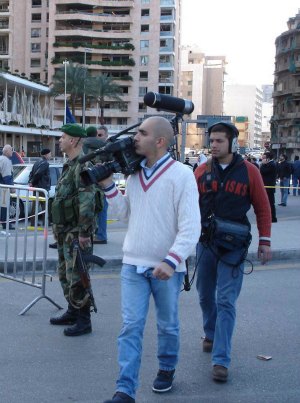
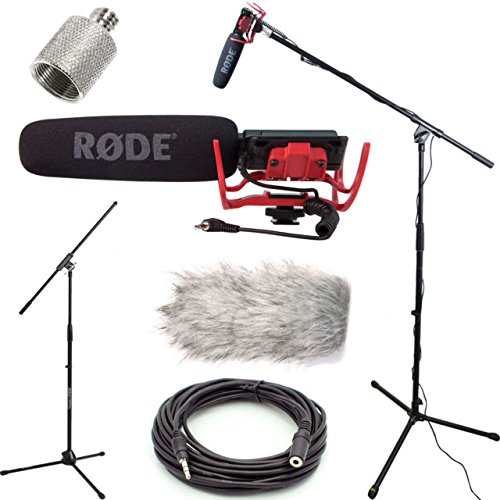
Many amateur videographers or budget filmmakers don’t have the luxury of having an audio tech to hold a boom mic for them. Often the case in budget filmmaking, you are relying on the mic on top of your camera for sound. If that is the case, you will need to always be conscious of where that mic is relative to the sound you are trying to capture. If someone is talking, you will need to have the camera very close to that person, otherwise it will be annoying for the viewer to strain to hear what they are saying. The reality is that getting good sound will often dictate your shot. Learn some audio basics along with videography tips.
9. Don’t zoom for close-ups
In general, an image loses quality when you zoom. An image also tends to be shakier, especially on a hand-held shot, when zoomed in. So whenever possible, take your two legs and walk up to whatever it is you want a close-up of. It will look much cleaner and more professional.
10. Don’t overshoot (or then again, go ahead)
A common tendency for amateurs is to shoot anything and everything. Since they don’t know what they’re doing, they err on the side of overshooting. In general, I have found that for every hour of professional footage, I end up using about a minute in the final production. (So for ten hours of shooting, I end up with a great 10 minute video).
Bonus Videography Tips
- Copy, copy, copy – When you’re starting off and have no idea what you’re doing, please COPY someone else’s style that you like. Study it, examine it and copy it exactly! Eventually, you will start to create your own style, but this is a great way to develop and learn professional techniques.
- Practice, practice, practice – As with any profession, being a videographer is all about the thousands of details that you can only learn by doing and experiencing first hand. The best way to learn is to make mistakes. So go out there and get shooting!
- Always have plenty of charged batteries and extra tapes on hand – Enough said.
- Hide wires – Tuck them out of view, otherwise it looks sloppy and unprofessional.
The above videography tips are based on my personal experience as a shooter/editor and also a producer/director who has worked with and hired many videographers over my 20 years in the video production and filmmaking business.
I hope these videography tips were helpful!
Recommended For You
The 180 Degree Rule in Filmmaking
There are 3 main reasons why you should know the 180 Degree Rule before filming your documentary.
Basics of Making a Documentary | 17 Point Documentary Check-List
Jump right in! Learn the basics of making a documentary with this handy 17-point documentary check list.
A.I. For Documentary Filmmakers
15+ ideas to utilize Artificial Intelligence (AI) in your documentary projects. From Pre-Production to Post-Production and beyond!


Documentary Resources

Other Articles You May Enjoy
- How to Choose A Documentary Film Camera
- How To Survive the Making Of A Documentary
- Documentary and Story Ideas
Ready To Make Your Dream Documentary?
Sign up for our exclusive 7-day crash course and learn step-by-step how to make a documentary from idea to completed movie!



HOT!
Low-Budget
Documentary Gear
What People Are Saying
Desktop Documentaries
Comments

I just wanted to say that I think your website is amazing . I am a beginner with an idea, and the info and articles on your website are easy to understand and answer many questions I have. I can not wait to start filming!

- Sarah (Sydney, Australia)
I am a professional filmmaker, and I applaud this site for detailing the ABC's of documentary filmmaking. It serves as my own checklist as I continue making my own movies ... Thanks!
- Sabrina Aviles - Boston, Mass.