
Legal, Consent and Copyright Issues For Documentary Filmmaking
When you’re excited about starting your documentary project, it’s hard to focus on legal and copyright issues.
But if you have dreams of a Netflix deal, uploading it to internet, showing it in film festivals or having it broadcast on television, you need to know the basics of copyright.
Watch this video explaining Creative Commons and Copyright issues:
“Wanna Work Together?”
Copyright Issues: Here’s How It Works
Anyone who makes a film can decide who sees it and who copies it.
That’s called copyright. The “Right to Copy”. This law protects the artist and their work.
Copyright not only protects YOU when you create something original, but it also protects other artists as well.
When making a film, you must respect copyright of other artists when you want to use their music, video, film, artwork, photographs, etc. You MUST have their permission and/or pay to copy their work.
And if you have the dream of selling your film, you will have to PROVE to those film buyers that you own all the rights to every piece of content in your movie. That means you will need documentation for every single item in your movie – music, photos, film clips, graphics… everything.
If it was not originally created by YOU, then you will need to have a document showing you have permission to use it and copy it.
The safest way to stay out of trouble is to:
- Create all your own content (music, movies, photos, etc).
- Use content in the Public Domain, such as old government films stored in the national archives. Check out www.archive.org for lots of free downloadable film clips.
- Use content that has been made available under a Creative Commons License. This is a very cool system where the artist keeps the copyright, but allows others to copy and share their work as long as you give them credit and/or follow some pre-set conditions. www.creativecommons.org
Copyright Issues and Clearances:
When you make a film, everything MUST be cleared.
You must have clearances for all of the following:
Clearances Needed:
- Script
- Music
- Locations
- Contributors
- Products
- Company Logos
Only when all these things have been cleared can a documentary be legally copied, shared or broadcast on TV or the Internet.
Consent Forms For People In The Film
- The best and easiest thing to do is get permission before filming begins. It’s a HUGE hassle to track down people later.
- Get people to give their consent on paper with a personal release form and also on camera. Tell them to look in the camera and read something like: “I, Sue Smith, agree to be filmed in this documentary about such and such and understand it will be used for broadcast on the internet and television, without conditions.” The last thing you want is someone to sue you because you used them in your film without their permission. It’s NOT worth it.
- Children: You must have parental consent for children (under 18). Always take special thought and care when dealing with children.
Release Forms & Contracts:
- Talent Release Form - ie Personal Release Form, use this for your interviews.
- Materials Release Form - Use this form whenever you are including photographs, paintings, sculpture, other artwork, documents or artifacts in your film.
- Location Release Form - Use this for permission to shoot on private property.
- Group Release -Use when depicting larger groups, such as a club, athletic team, choir, etc.
- Extra/Background Release - For persons who appear in the background of a shot or scene, but who are not the focal point or subject of the footage in question.
- Poster Release - This is a poster-size release you should use when filming in public spaces where numerous people may be entering and exiting the frame. Examples: Public Parks, Government Buildings and surrounding areas, Shopping Centers, Malls, Sports arenas, and the like. (Note that location releases may be required for some of these kinds of places)
- Crew Deal Memo - Use this release for all crew members working on the film. This includes volunteers, Production Assistants, etc., whether in the office, or on-set, who work during any phase of production, from development through post-production.
*Get all the above releases (and more!) in the DOCUMENTARY LEGAL TOOL KIT by Entertainment Attorney Gordon P. Firemark.
LOCATION PERMISSIONS
Before you shoot on private property, get permission from the owners first. It’s best to get a signed location release.
AMBIENT MUSIC
If you are filming inside a restaurant or store and music is playing on the overhead speakers, be aware that if you use it in your film, you will need to get permission. If the music is not important, best case is to get it turned off while you’re shooting or simply edit it out of your movie. Same goes if you’re in a car and the radio is turned on while you’re filming.
LAW OF THE LAND
Don’t do anything illegal. Don’t encourage criminal behavior and don’t film yourself doing an illegal act. Always remain an impartial observer.
WATCH OUT FOR DEFAMETORY REMARKS
If one of your subjects slanders someone, making accusations that may or may not be true. (“She robbed that bank” “she’s a drug user”) Check your facts. If these statements are not true or if that person is in the middle of legal proceedings, you, the filmmaker, could be in contempt of court for influencing court proceedings.
PLAYING IT SAFE VS TELLING AN INTERESTING STORY
There’s always a fine line between keeping your movie so “safe” and “sanitized” that it’s boring vs. making it so salacious that it crosses moral, ethical and legal lines. You, your crew and your lawyer will need to walk that line together. To see just how thin a line can get, watch the movie “Borat”.
FINAL THOUGHTS
Often, copyright issues are the last thing the filmmaker thinks of when making a documentary. But copyright should be the FIRST thing you think about as you plan and beginning shooting your movie. It could be difference between an audience seeing your movie or having it buried forever in a legal mess, never to see the light of day.
Legal Check-List
- Get Permissions (from interviews & locations)
- Get Clearances (music, photos, artwork, etc)
- Check Your Facts
- Check for Fairness
- Make Certain of all Ownership
Legal Filmmaking Resources
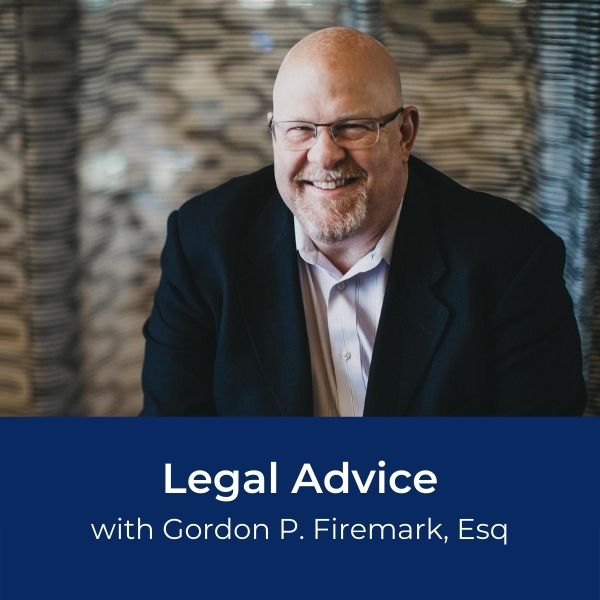
From The Offices of Entertainment Attorney Gordon P. Firemark

Got a question or comment about copyright issues?
Are you dealing with a copyright issue or question with your documentary project? Carefully review the links below to see if your question has already been answered. If not, ask away! (Repeat questions will be deleted)
Comments from other visitors
Click below to see contributions from other visitors to this page...

Copyright Issues: Unauthorised Use of My Video Footage
Question:
I have just seen a documentary and they have used footage from my old YouTube site that I had uploaded. This documentary has been broadcast …

Copyright Question | Permission For A 1928 Song
Hello: I'm a Brazilian/Spanish documentarian. I have a small, but crucial doubt and I would appreciate if you give help me with your experience.
If …

Copyright Question: What proof do I need to legally use photos/footage in my documentary
Hi, I am aware that there are a lot of websites that contain photos/images that are either in the public domain, or where the authors have given consent …

Copyright Question:
"Ex-Partner Gone Wild"
Q: My ex-partner took footage that we shot and co-own and has uploaded many of our clips on youtube under his new LLC. I am planning on flagging these …
Documentary Legal Questions | How Careful Do I Need To Be?
I have a few questions.
1-if i film all my own footage in my own home dont show any trademark logos or anything company related use no music nothing else …

Documentary Copyright Question | Using Content From Dating Sites
Question: Can I use profile pictures and text from dating websites such as OKCupid without consent in an informational (not-for-profit) documentary? …
Documentary Consent | Can I Sue?
A German or French documentary was filmed in Israel and broadcast in France or Germany and I was filmed purchasing goods at a grocery store in Jerusalem …
Can I use paintings of celebrities in my documentary?
Copyright/Legal Question: Do I need written permission to use paintings I've done of celebrities?
I'm producing a documentary about my personal …

Can I use a newspaper headline in my documentary?
Question : Can I use several newspaper headlines (scans of headlines) in my documentary about a wolf traveling from NE Oregon to California in my documentary, …
Can I screen uncleared video at film festivals?
Documentary filmmaking copyright and fair use question: I am working on a documentary about a coffee shop I owned. I have 4000+ photos that are edited …

Does using a newspaper article in my documentary fall under fair use?
My documentary is based on a crime. Would like to use screen capture of local newspaper article (s) as b-roll. Please explain limits. Can I use the headline? …

Incidental music on documentaries
Question: I'm working on a documentary and the main character is always walking around the streets of a busy downtown, there is music everywhere playing …

Legality over filming live music?
Hi, I want to film live sessions of music artists to create a local you tube hub. Many of the artists I film will be unsigned, so what if they do get signed …

Copyright Question: How To Get Permission To Use Video Game Footage In My Documentary
Question: Hello, I am working on a documentary called "The Art Of Video Games and the Positive Effects They Have On Us". I would like to get permission …

How do I copyright my documentary idea?
Question: I have what I believe to be a very marketable documentary. What would be the process to copyright my idea?
Law Office of Jaia Thomas | …

Copyright Question: Filming With Live Music In The Background
Question : If you're shooting a documentary at a film festival with live music being played in the background, are copyright issues the same for live …
In Need Of An Entertainment Lawyer. Help!
Question: I've just been sent a very long 40-page contract by a production company looking for documentary filmmakers to profile in a new television …
How To Get Permission To Use Materials In My Documentary
Legal Question: After I find out the copyrights of a source, a clip or a related movie, where can I find a permit or who do I contact to ask what materials …
Copyright Enforcement Outside Of United States
Legal Question: Are the copyright rules listed on your website (see Legal, Consent and Copyright Issues for Documentary Filmmaking ) also enforced outside …
Doubt On Interview Consent For Documentaries
Question: If I ask the person: "Hello, can I interview you for my documentary about this and that", and the person answers "yes" (all being filmed). …

Copyright Question: Can I use footage of TV shows from youtube that I shoot second-hand?
Question : Can I use footage from youtube of TV shows that I'm filming second-hand (i.e: filming my computer screen)? I should note that I plan on re-filming …
Is email reply good enough for a clearance on photos taken from the Internet?
Question : I'm in the process of finishing up a documentary film, I am emailing requests for clearances for several photographs taken off of various websites. …
Can a documentary-maker distribute a film featuring me without my written consent?
Question: I recently took part in the shooting of a documentary. In fact, I was the main subject. Throughout the process the film-makers have shown a …
How do you start a film production company?
Disclosure: Thank you for visiting! Affiliate links may appear in this post. If you click on a link and make a purchase we may earn a small commission. …
Do you need consent for people in the background?
Question : When filming a documentary you always film people in the backgrounds... on the streets, on a school, at the market... are those hundreds of …
I'm working on my first documentary. Do I need an LLC?
Disclosure: Your support helps keep this site running! We earn a referral fee for some of the services we recommend on this page. Learn more …
Should I Get Paid For My Memoir If It's Made Into A Documentary?
Question : I have written my Memoir, Gail Of Wind A Hard Walk Into Reality , and it is selling very well. Now a filmmaker wants to to a documentary …
Documentary Rights for YouTube Clips
Question: I'm planning to make a documentary about a person, we both are keen on working on this together. He has many clips on YouTube, can I use them? …
If I show a product like a car or can of pop is it trademark or copyright infringement?
Question: Do product labels have to be contacted or is blurred the easiest option? Thank you!
Desktop Documentaries: I am filmmaker not a lawyer.. …
Remote Helicopter Cam
I am a college student doing an exchange in London. I have been filming a lot of what I've been up to, with consent forms and so forth. I have a remote …
Additional Legal and Related Topics:
- Filming Crowds: Do I Need Legal Permission for People In The Background?
- Acquiring music rights for your documentary
- How To Create An Accurate Documentary Budget
- How To Copyright A Documentary Idea?
- Legal Question: Can I Sue A TV Network For Broadcasting My Image Without My Consent?
- Question About Legal Right To Use A Documentary Interview
- Question About Getting Film Permits For Locations Already Filmed On
Legal Filmmaking Resources
From The Offices of Entertainment Attorney Gordon P. Firemark
Recommended For You
Documentary Ideas: Create, Pitch and Explore Dozens of Ideas
Ready to start filming and in need of documentary ideas for inspiration? Or maybe you have a great idea you'd like to share? Browse dozens of ideas and learn how to generate your own.
How To Write A Script For A Documentary
Staring at a blank page? Here are some great starter tips on how to write a script for your documentary.
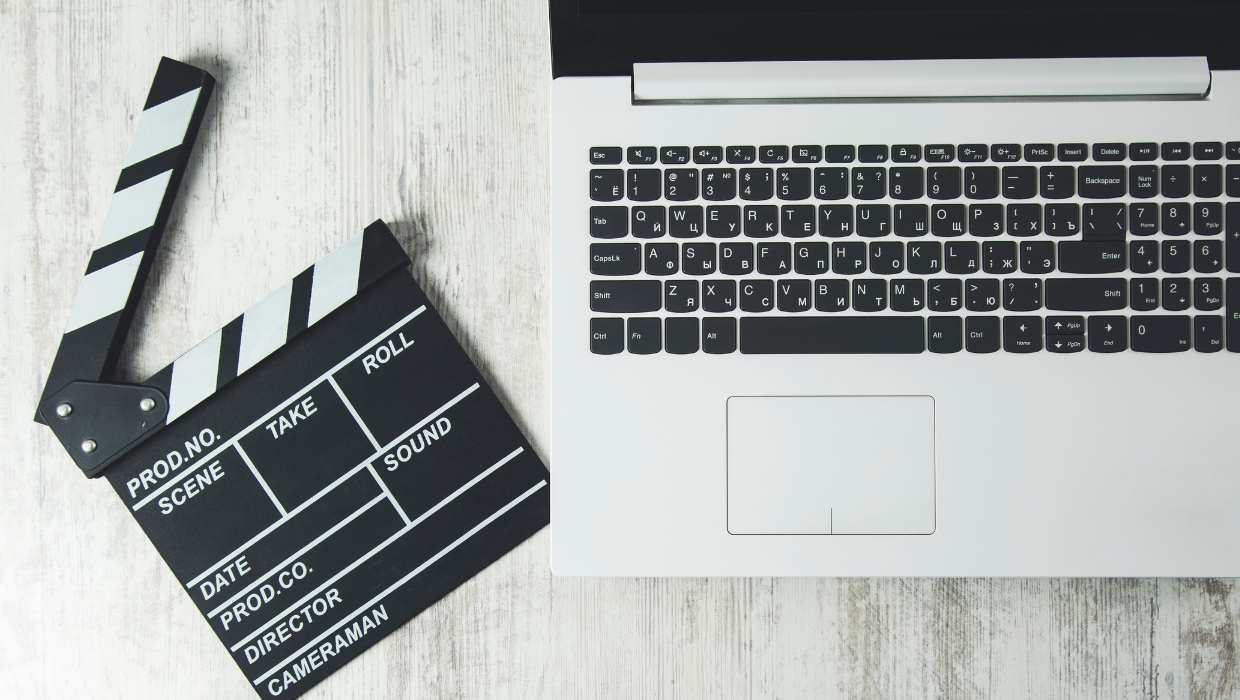
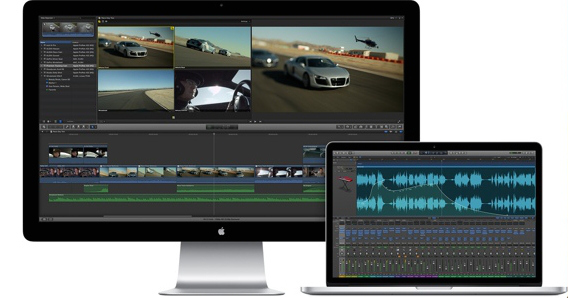
Choosing A Computer for Video Editing
Looking for a computer for video editing and making documentaries? Here is a suggested list of computers to get you started.

Ready To Make Your Dream Documentary?
Sign up for our exclusive 7-day crash course and learn step-by-step how to make a documentary from idea to completed movie!



HOT!
Low-Budget
Documentary Gear

What People Are Saying
Desktop Documentaries
Comments

I just wanted to say that I think your website is amazing . I am a beginner with an idea, and the info and articles on your website are easy to understand and answer many questions I have. I can not wait to start filming!

- Sarah (Sydney, Australia)
I am a professional filmmaker, and I applaud this site for detailing the ABC's of documentary filmmaking. It serves as my own checklist as I continue making my own movies ... Thanks!
- Sabrina Aviles - Boston, Mass.